
LONDON -- British Prime Minister Boris Johnson said he was ready to take “bold decisions” to rebuild the economy after the coronavirus pandemic as his Conservative Party met Sunday for its first annual conference since 2019.
.png)
The Tory conference opened Sunday in the northwestern city of Manchester as a shortage of truck drivers to delivery fuel across Britain continues to cause empty pumps and long lines at many gas stations. Concerns about wider labor shortages in Britain, along with higher taxes, rising energy bills and a cut in welfare payouts beginning this week, are among other challenges facing Johnson.
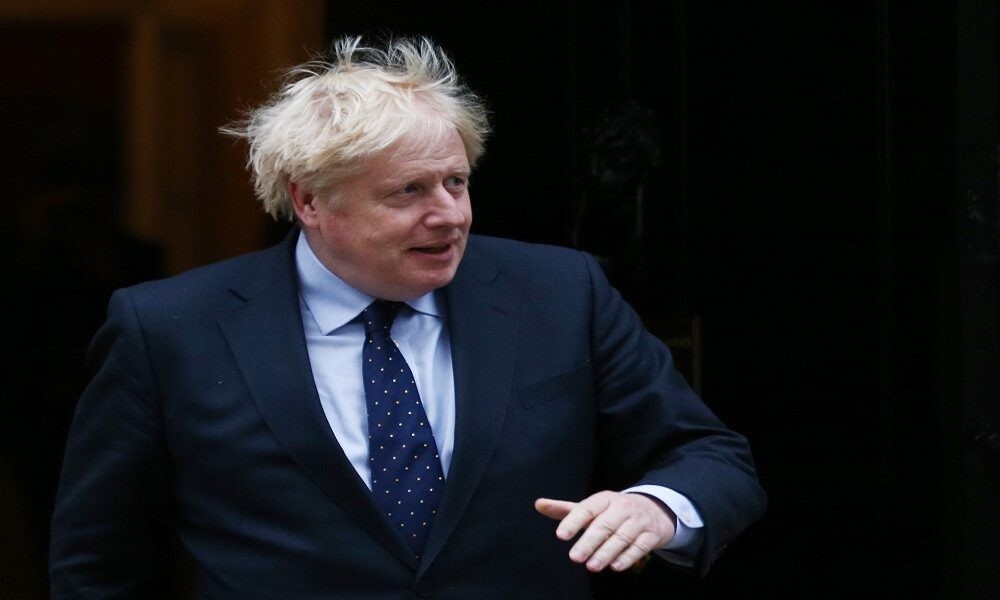
Despite the economic worries, opinion surveys suggest that Johnson and his Conservatives were polling ahead of the opposition Labour Party.
Before the conference, Johnson said he was ready to take the “big, bold decisions on the priorities people care about — like on social care, on supporting jobs, on climate change, tackling crime and leveling up.”
Asked about the truck driver shortage crisis, Johnson said it was a “chronic problem” associated with an over-reliance on migrant workers who were willing to work for low wages and poor conditions. He said he wouldn't repeat that mistake.
“The way forward for our country is not to just pull the big lever marked uncontrolled immigration, and allow in huge numbers of people to do work,” he told the BBC.
Referring to the 2016 referendum that led to Britain’s exit from the EU, Johnson said: “When people voted for change in 2016 ... they voted for the end of a broken model of the U.K. economy that relied on low wages and low skills and chronic low productivity. And we’re moving away from that.”
He maintained that the situation at gas stations is improving after more than a week of disruptions — although retailers say drivers still can't get gas at many pumps in the London area and southeast England.
Britain has long suffered from a shortage of truck drivers, but the problem has come to a head with the combination of Brexit, which ended workers' freedom of movement from the EU to Britain, and the pandemic, which severely limited travel and halted training for new domestic drivers who weres upposed to replace those who left for their home countries due to Brexit.
Brexit and COVID-19 have also exacerbated existing labor shortages across a wide range of industries from hospitality to construction and the food industry. Continue reading on abcNEWS

Comments
Post a Comment